A homeowner called me about mold in two upstairs bathrooms. Nothing dramatic had happened, no leak, no flood, just a slow buildup that would not go away no matter how often they scrubbed it. When I got up into the attic, I found three separate powered attic ventilators, all wired to come on whenever the attic got hot. We turned all three off. The mold problem stopped getting worse almost immediately, and it cleared up entirely once the bathrooms dried out. The fans that were supposed to protect the house had been quietly pulling humid outdoor air straight into the living space the whole time.
I bring this up because the instinct behind a powered attic ventilator makes sense on paper. The attic is hot, so blow the hot air out. I used to think that way too, until I understood where the heat in an attic actually comes from and what a fan can and cannot do about it.
Why The Fan Feels Like It Should Work, But Doesn't
The Heat Is Not Really In The Air
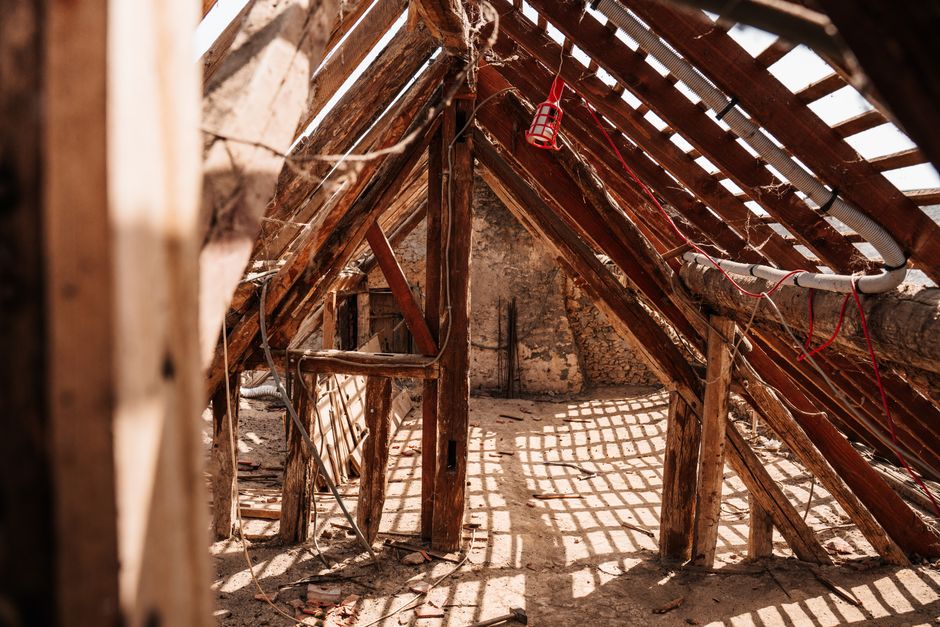
Picture how heat gets into an attic. Sunlight hits the roof and the roof deck heats up, sometimes past 150 degrees on the underside, hot enough that you cannot rest your hand on it. That heat radiates down into the attic and gets absorbed by whatever it hits first, the framing, the insulation, the ductwork, the box of Christmas ornaments you have not opened in years. Those materials then conduct their heat downward into the house. The attic air itself only heats up as a side effect of all that, not as the main event. Blowing that air out with a fan does nothing to stop the radiant heat still pouring down from the roof deck onto the insulation. It is a bit like sitting under a beach umbrella with a fan running and assuming you will not get sunburned. The fan can make you feel cooler. It does not stop the sun.
The Number Nobody Runs
Even when a fan does drop the attic air temperature by 10 degrees, the actual heat saved rarely amounts to much. Take a modest attic with a well insulated ceiling. Dropping the temperature above that insulation by 10 degrees might reduce the conducted heat load into the house by something on the order of a couple of incandescent light bulbs worth of energy, not the dramatic swing people expect. Meanwhile, a home in a hot climate loses roughly 30 percent of its total heat load through the attic in the first place, according to older but still cited federal research, which tells you the fan is fighting the wrong battle. The attic problem is a radiant heat problem happening at the roof deck, and a fan is a convection tool trying to solve it from the wrong end.
What A Powered Fan Actually Does Instead
It Pulls Air From Somewhere
A powered attic ventilator does not create air from nothing. It pulls air from wherever the path of least resistance leads, and in most homes, the ceiling below is not sealed nearly as well as people assume. Studies of new construction have found that roughly half of a house's total leakage area sits between the attic and the living space below it. Put a fan up there creating negative pressure, and a meaningful share of what it pulls is conditioned air straight out of the rooms you just paid to cool. You end up cooling the attic partly by air conditioning it through a hole in your ceiling, then having to cool the house again once the makeup air, usually hot and humid outdoor air, seeps back in through the same gaps.
The Combustion Safety Problem
There is a sharper danger, too. Depressurizing the attic can depressurize the conditioned space beneath it, and in a house with a natural draft gas appliance anywhere in that pressure zone, that has caused backdrafting, pulling combustion gases including carbon monoxide back into the house instead of venting them outside. A building science researcher I trust described watching carbon monoxide levels spike off the scale the moment an attic ventilator kicked on during a routine furnace test. That is not a rare fluke. It is the same pressure mechanics that pulled humid air into my client's bathrooms, just with a more dangerous gas involved.
What Actually Cools An Attic
Stop The Heat Where It Starts
If you are choosing a new roof anyway, reflective roofing is the strongest lever available. Testing on identical buildings has shown white shingles running dramatically cooler than dark ones under the same sun, and switching a tile roof from dark gray to white has been measured to drop attic temperatures by about 20 degrees. The most reflective roofing tested against ordinary dark shingles showed a gap of more than 23 degrees in attic temperature. The logic is simple once you see it. Reflective roofing keeps the heat from being absorbed by the roof deck in the first place, instead of trying to manage it after it has already radiated into the attic.
Radiant Barriers Have A Narrow Case
A radiant barrier can help, but only sometimes justifies its cost. Applied at the factory to new roof sheathing, it adds around ten cents per square foot and has shown average cooling savings in the single digits in code built homes, more in older, leakier houses with ducts already sitting in the attic. Retrofitting the same material into an existing attic, stapled up by hand, can run fifty cents a square foot or more once labor is included, and at that price the payback gets hard to justify. If you already have ducts and an air handler stuck in an unconditioned attic and a new roof is not in your near future, a radiant barrier is worth pricing out. If your roof is due for replacement anyway, put the money into reflective roofing instead and skip the barrier.
Seal And Insulate The Ceiling Before Anything Else
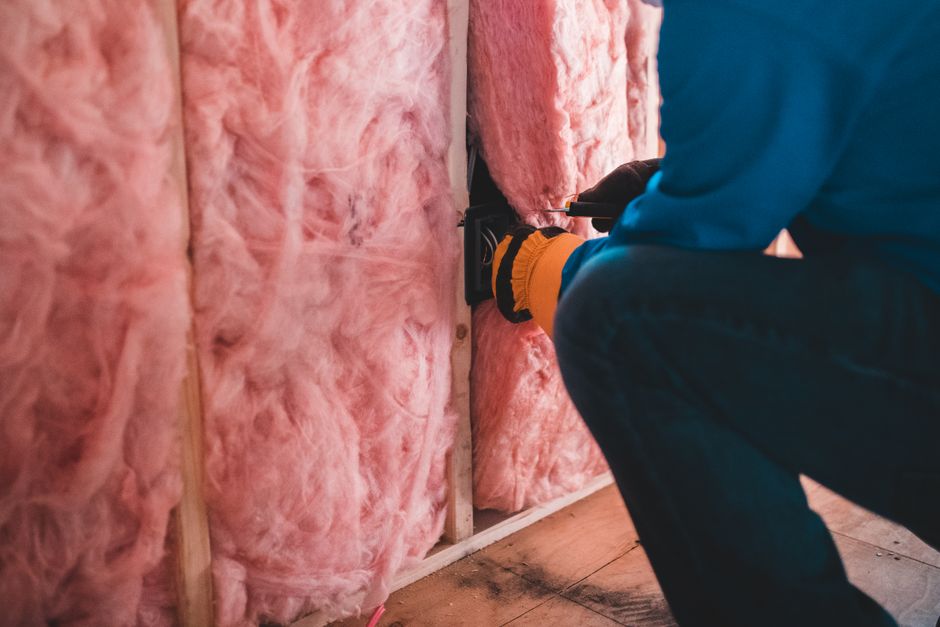
None of the above matters much if the ceiling itself is leaking air into the attic. That air barrier, not the attic air temperature, is what actually determines how much heat reaches the rooms below. In new construction, keeping an unconditioned attic cooler is close to irrelevant as long as the ceiling is fully air sealed and insulated and nobody has made the mistake of putting the air handler and ductwork up there in the first place. In an existing home, air sealing an old, leaky ceiling before adding insulation on top of it does more for comfort and your power bill than any fan or barrier will, and it does it without adding a single moving part that can fail, short out, or pull the wrong air into the wrong place.
Where This Leaves Me
I still get calls from homeowners who are certain a fan is the fix, usually because a neighbor swears by one or a contractor recommended it without asking a single question about the ceiling below. I do not blame them for the instinct. Hot attic, blow the heat out, it sounds obvious. But obvious and correct are not the same thing once you know where that heat is actually coming from and where the fan's replacement air is actually coming from too.
Before anyone puts a powered ventilator in an attic, I ask them to walk through this instead:
- Check whether the ceiling below the attic is actually air sealed before assuming the attic itself is the problem.
- If ducts or an air handler are stuck up there, get them properly insulated and sealed before spending money on attic cooling.
- If a new roof is coming up anyway, price reflective roofing before defaulting to the same dark shingles.
- Only consider a radiant barrier if the ducts are staying in the attic and a roof replacement is not imminent.
- Never install a powered attic ventilator near a natural draft gas appliance without a combustion safety test first.